
Paige Campbell entered the nursing profession during the COVID-19 pandemic, motivated by a desire to help others. After completing college, she began working in the emergency department of a hospital in Fort Walton Beach, Florida.
Her experience soon exposed her to repeated workplace aggression, including being kicked, spat at and knocked to the floor. Last year, an emergency room patient strangled her, prompting Campbell to leave bedside care for a position that involves monitoring patients remotely. Although hospitals urgently need frontline nurses, she felt she could no longer continue without stepping away.
“All I could think was, ‘I can’t breathe, I’m going to die here, and who’s going to tell my mom and dad?’” recalled Campbell, 33. The frightening encounter began after she offered a blanket to an emergency department patient who subsequently became violent.
Nursing professionals in the United States now have higher educational qualifications and stronger earning potential than previous generations, with many earning six-figure salaries. Most registered nurses hold bachelor’s degrees, while median annual earnings have climbed substantially since the pandemic to $97,550. Their direct patient-care responsibilities are also difficult to replace through automation. Meanwhile, nursing schools continue to attract growing numbers of students, producing thousands of graduates annually.
Despite these advantages, increasing numbers of nurses are abandoning direct patient-care positions. Persistent exhaustion, insufficient staffing, verbal mistreatment and physical violence have contributed to an exodus from hospital floors, with many professionals pursuing alternative careers where their healthcare expertise remains valuable.
“There is no shortage of nurses in this country,” said Jeff Doucette, chief nursing officer at healthcare analytics company Press Ganey. “There’s a shortage of nurses that want to work in the current environment.”
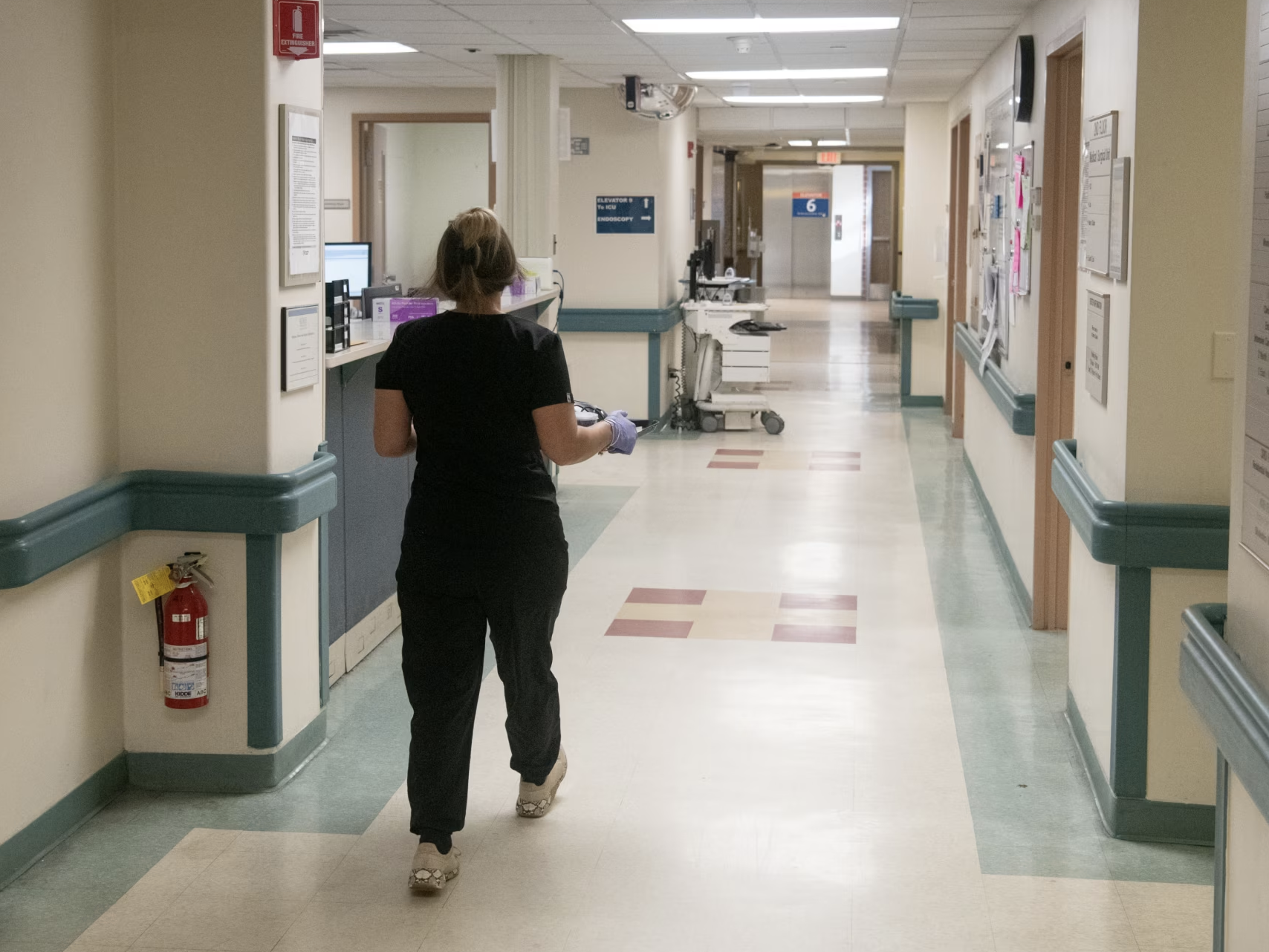
Fifteen years ago, the annual turnover rate among registered nurses providing bedside care stood at 11%, according to figures compiled by nursing recruitment company NSI Nursing Solutions. The proportion of nurses leaving their positions had already begun increasing before the COVID-19 outbreak and climbed further during the pandemic. Turnover subsequently declined as hospitals introduced higher salaries to attract and retain employees. However, the trend reversed last year, when the annual departure rate reached 18%.
A 2024 survey involving 800,000 nurses revealed that approximately 40% expected to retire or leave the nursing workforce within five years, frequently identifying stress, professional burnout and inadequate staffing as contributing factors. Another survey conducted this year found that 43% were considering leaving bedside nursing within the following 12 months, compared with 38% in the previous year’s survey.
Researchers at the University of Pennsylvania recently surveyed 4,000 actively licensed nurses who had left employment during the preceding five years. Among respondents, 56% had retired, 8% had entered other industries and the remaining participants were not employed.
Frequent departures create substantial financial pressure for hospitals, which must spend millions of dollars recruiting replacements and covering staffing shortages. These additional expenses also contribute to rising healthcare costs for patients.
Hospital administrators warn that persistent staff turnover can compromise patient safety by increasing the likelihood of falls, medication and treatment errors, and overlooked warning signs. Experienced nurses are particularly valuable because their clinical judgment and operational knowledge help maintain safety across hospital units, guide less-experienced colleagues and coordinate care in demanding environments.
When Dustin Bass managed emergency departments roughly a decade ago, he regularly assigned triage responsibilities to his most experienced nurses. Professionals with 10 or 20 years of clinical experience could often assess a crowded waiting area and quickly recognize someone displaying symptoms of a heart attack.
“Now you have nurses running massive emergency rooms with 133 care spaces, and they’ve only been working for two or three years,” said Bass, president of the Emergency Nurses Association.
Strained staff, rising violence

American hospitals have increasingly streamlined their operations, reducing both physical capacity and staffing levels to improve efficiency. The number of available hospital beds has declined, while those remaining are occupied more consistently. Healthcare systems have also adopted staffing-management software that reallocates nurses between departments according to changing patient demand, often requiring them to work in units outside their regular assignments.
Healthcare executives acknowledge that these approaches have improved productivity. However, the resulting working conditions have also placed considerable pressure on employees, making their shifts more demanding and less predictable.
In previous generations, a hospital nurse might have cared primarily for patients recovering from relatively straightforward surgical procedures. Today, more routine treatment takes place in outpatient settings, leaving hospitalized patients with more severe illnesses and complicated medical requirements. These individuals frequently require closer observation and more intensive care. The expansion of diagnostic testing has also increased nurses’ responsibilities for coordinating treatment among multiple specialists and maintaining electronic medical records, often during 12-hour shifts that provide no more than a 30-minute break.
Nurses also experience many of the consequences of growing pressure throughout the healthcare system. Reduced hospital capacity can leave emergency departments overcrowded with patients awaiting admission, some of whom become increasingly frustrated. Emergency rooms have additionally become major points of care for individuals experiencing serious mental-health crises whose treatment needs have not been adequately addressed elsewhere.
Across hospital departments, nurses report encountering increasingly hostile behavior from patients, resulting in arguments, threats and, in some instances, physical assaults.
“The nurse is the face of the hospital, and we’re constantly blamed for things outside our control,” said Juliet Etienne, 29.
Since beginning work in a New Orleans emergency department last year, Etienne has endured being kicked and spat at, while another patient threw an entire dinner tray toward her. Despite these experiences, she recognizes that patients sometimes become overwhelmed by frustration. She has witnessed occasions when individuals waited more than 30 hours to receive care.
Research examining records from 1,500 hospitals, conducted by the University of Michigan Medical School and Boston’s Beth Israel Deaconess Medical Center, found that emergency department waiting periods increased sharply during the pandemic and remained elevated through 2024, the latest year covered by the analysis. During winter, when patient volumes are typically highest, nearly 5% of patients wait longer than 24 hours before receiving a hospital bed.
“You have people in their most vulnerable times of their life, and their call button’s not getting answered because the nurse is overworked, their loved one’s not being seen,” explained Amy Stimpfel, an associate professor at Villanova University’s M. Louise Fitzpatrick College of Nursing. “It’s bubbling up from a system that’s sort of broken.”
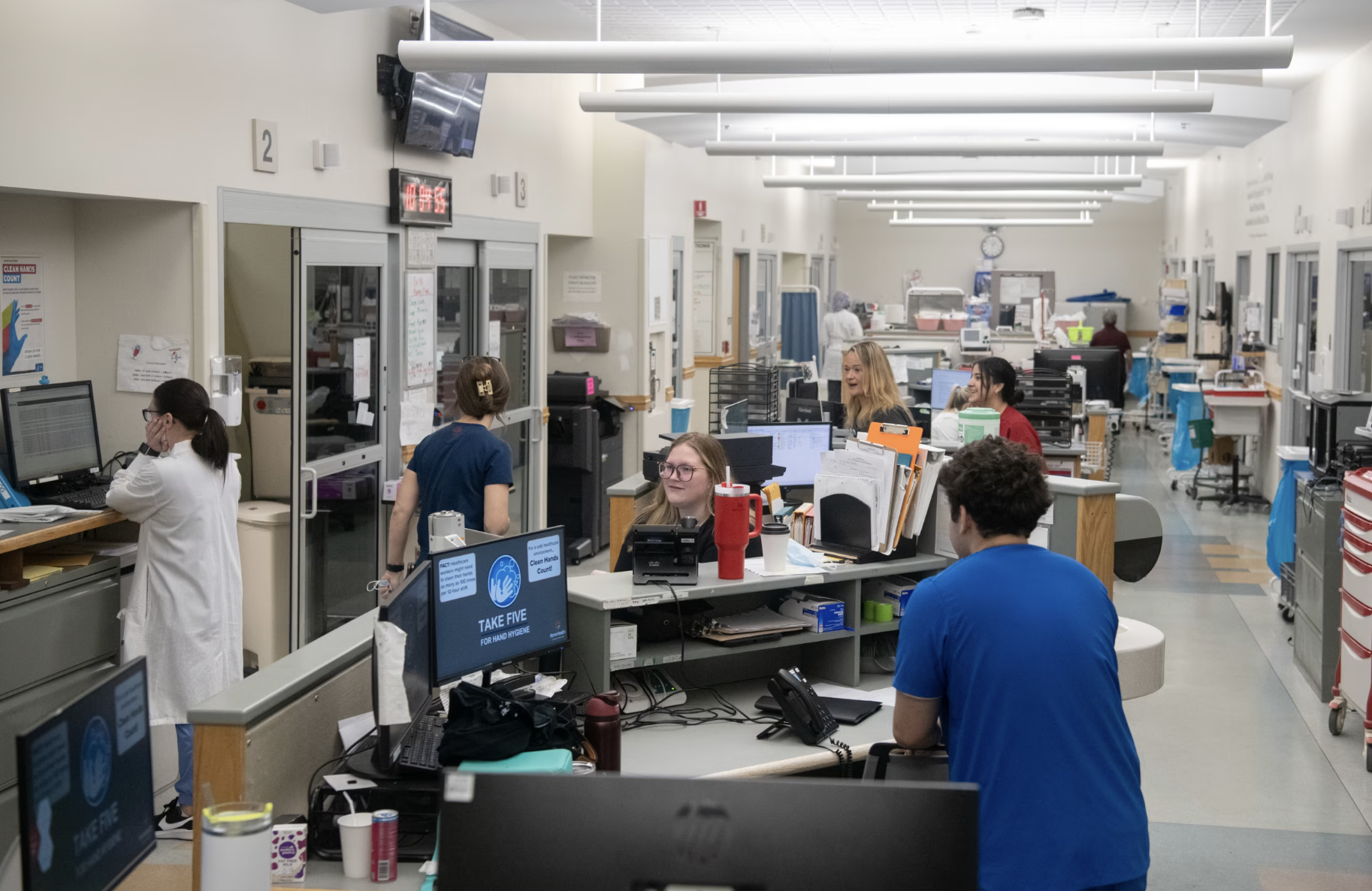
Data collected by Press Ganey from a large nationwide sample of hospitals indicate that 2.4% of nursing personnel experienced some form of physical attack last year. That represents a 26% increase compared with 2017, the earliest year available in the company’s survey records, and translates into considerably more than 1,000 incidents every month.
The company cautioned that the actual number of assaults is probably higher because many incidents go unreported. The severity of these encounters varies considerably, ranging from relatively common incidents such as pushing and shoving to less frequent but potentially life-threatening attacks involving weapons, including stabbings.
Surveys conducted by nursing unions and professional associations suggest substantially higher levels of workplace violence. In a recent National Nurses United survey involving 1,300 nurses, 33% reported being slapped, punched or kicked within the preceding year. Another 12% said they had experienced groping or other inappropriate physical contact.
A Harris Poll survey conducted last year on behalf of security technology company Verkada found that nearly two in five healthcare employees had considered leaving their jobs because of concerns about their personal safety.
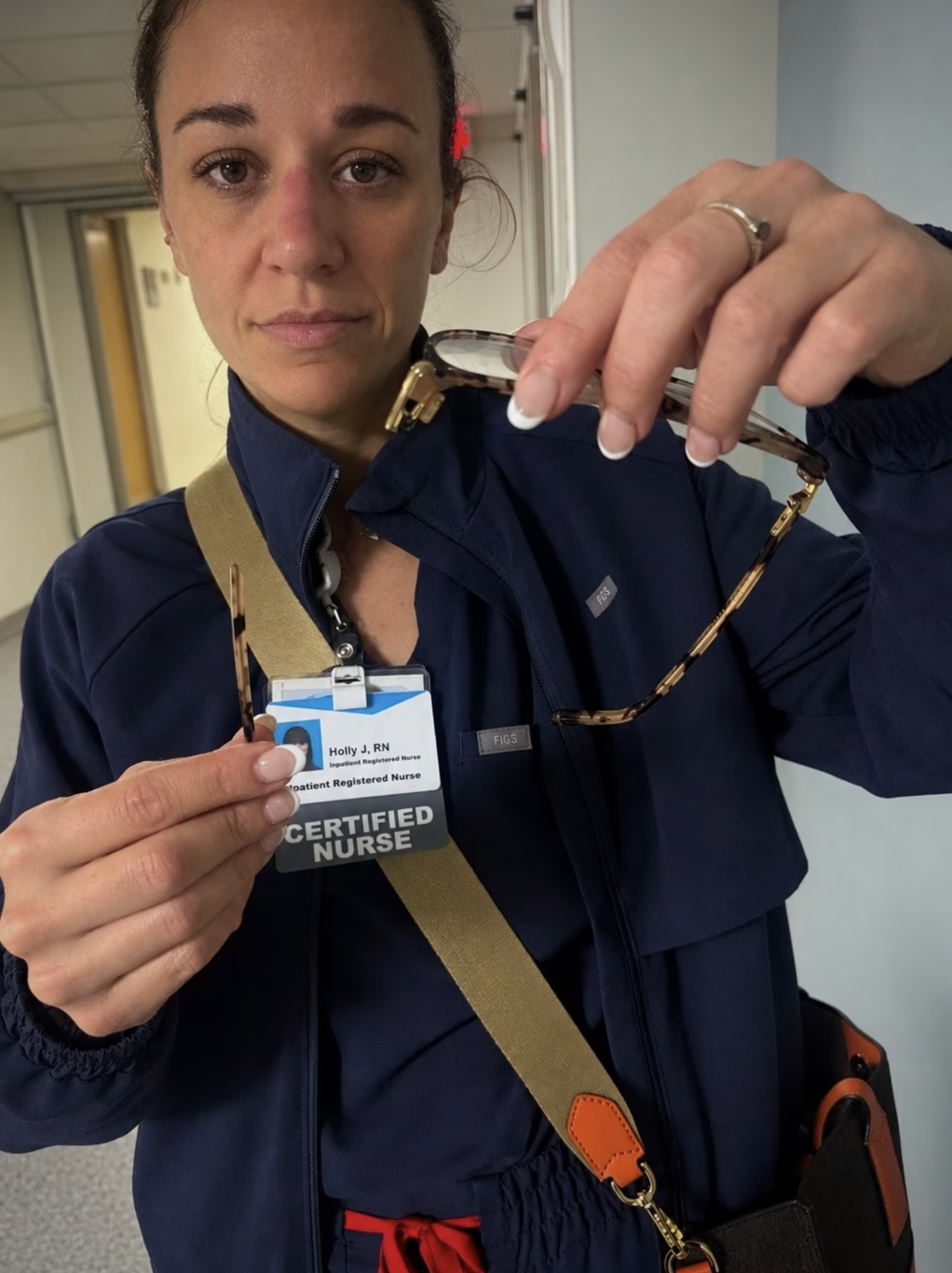
Holly Jazwinski, a 42-year-old emergency department nurse based in Danville, Pennsylvania, remains passionate about providing direct patient care. However, an encounter last summer left her questioning her future in the profession after a patient punched her in the face, damaged her glasses and attempted to use the broken eyewear to stab her.
“Now I have this sense of anxiety every time I go to work,” Jazwinski explained. “I started to feel a little defeated, like what am I even doing here?”
She is currently pursuing a master’s degree in nursing, a qualification that would open opportunities beyond bedside care, including positions in nursing education.
Modern nursing professionals have a wider selection of career pathways than earlier generations. While these opportunities give employees greater flexibility, they create additional difficulties for hospitals attempting to retain experienced nurses in frontline clinical positions.
Employment opportunities for nurse practitioners are expanding rapidly as more states authorize these advanced-practice professionals to provide care independently. Such roles require additional education but generally offer higher compensation. Positions involving virtual patient monitoring and employment in urgent-care facilities are also becoming increasingly available.
“Hospital work is hard work,” said Teresa Connolly, enterprise chief nurse executive at HonorHealth, a healthcare network operating nine hospitals in the Phoenix metropolitan area. “The hours are long, the shifts are not always pretty.”
Connolly recalled that one nurse recently left the organization to become a nurse practitioner specializing in cosmetic procedures, services for which patients frequently pay directly. “I can’t compete with that,” Connolly acknowledged.
HonorHealth is now collaborating with a nearby university on research examining why younger nurses increasingly leave the profession during the early stages of their careers.
Christian Stone, a nurse based in Washington, D.C., spent five years working in several emergency departments before moving to an urgent-care center. Although he appreciated the fast-paced environment and entered nursing to help people, he regularly encountered patients who shouted at him. During one incident, a man bit him.
Stone described emergency departments where extended waiting periods and growing frustration were common, particularly as patients without established primary-care providers arrived seeking treatment for relatively minor health concerns.
“I do miss it,” Stone said, reflecting on emergency department nursing. “But now I don’t hate coming to work every day.”
An expensive loss

One obstacle to reducing staff turnover is that hospital financial reports often present nursing personnel primarily as a major operating expense, explained Omid Razmpour, a former intensive-care nurse who now conducts research at Emory University. Many hospitals are already struggling financially because of increasing operational expenses and growing numbers of uninsured patients who nevertheless require medical treatment.
Nursing unions frequently argue that hospital administrators contribute to the departure of frontline personnel through decisions involving staffing levels and compensation.
“If you talk to the C Suite, it’s easy to say, ‘Hey, give us resources for a physician,’ because they’re going to generate X amount of revenue,” Razmpour explained.
However, replacing nurses can generate substantial costs of its own. Razmpour examined staffing turnover at Emory Healthcare and calculated that each departing nurse costs the Atlanta-based hospital system approximately $78,000. Expenses accumulate when hospitals hire more costly temporary or contract personnel to cover vacancies while simultaneously recruiting, onboarding and training permanent replacements.
Emory recently allocated $150 million toward employee pay increases, with nurses receiving most of the additional compensation. According to Sharon Pappas, who recently retired as Emory Healthcare’s chief nurse executive and collaborated with Razmpour on the turnover analysis, the investment reduced staff departures and ultimately produced financial savings for the organization.
Other healthcare facilities must address similar problems with considerably fewer financial resources.
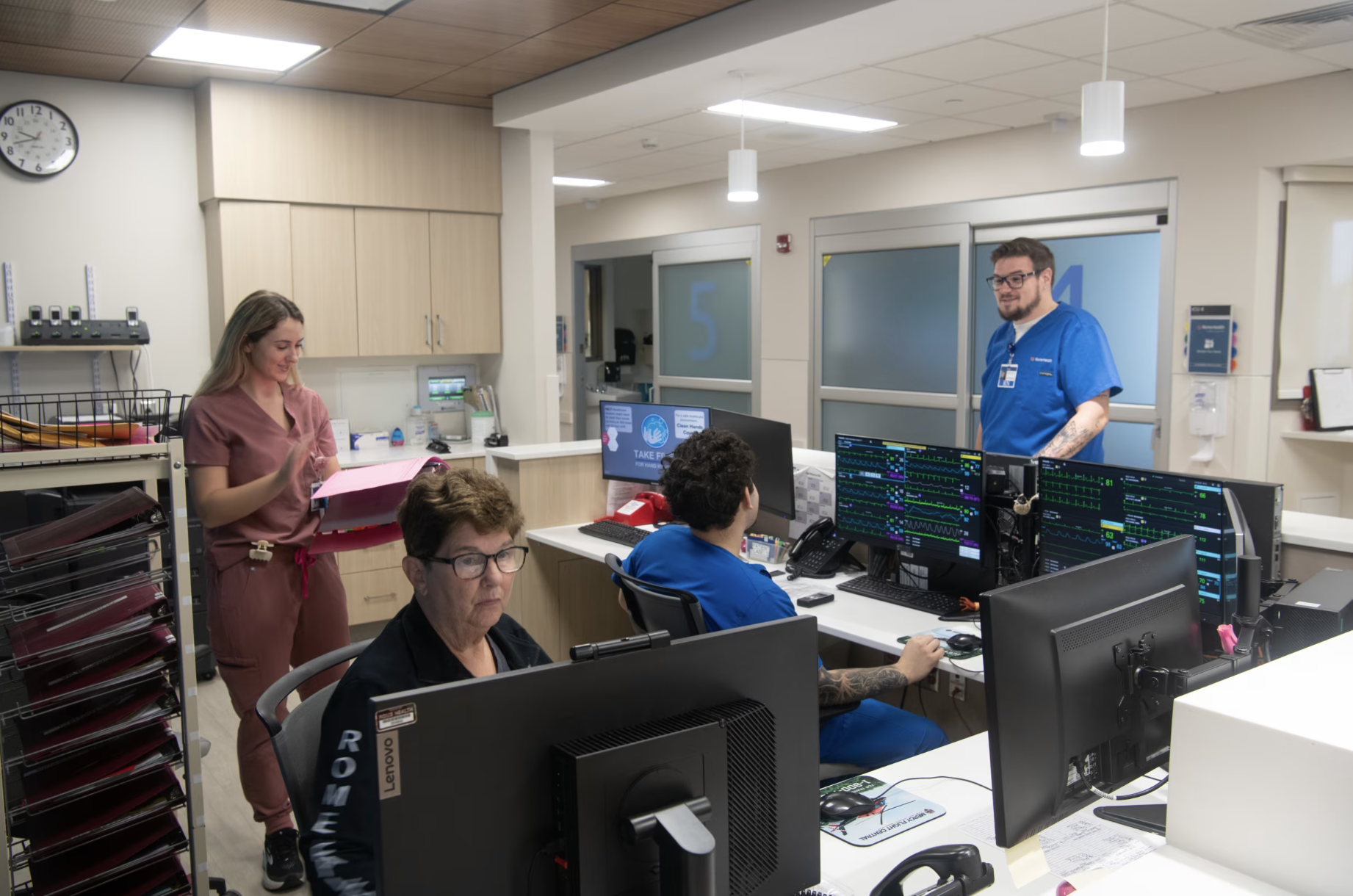
Rome Health, a safety-net hospital in upstate New York serving substantial numbers of elderly and uninsured patients, has experienced persistent difficulties retaining nursing personnel. By 2019, the facility’s annual nursing turnover had reached 50%, meaning approximately half its staff departed each year.
The staffing crisis continued throughout the pandemic and afterward. Some nurses sought better-paid positions in travel nursing or advanced-practice roles, while others departed because they felt exhausted or overwhelmed by their working conditions, according to Ashley Edwards, the organization’s chief nursing officer.
Seeking assistance, the hospital approached the Mother Cabrini Health Foundation in 2024 and secured a $5 million grant the following year to strengthen its nursing workforce. The funding has since supported a residency program for newly qualified nurses and the introduction of a professional coach who holds regular individual meetings with nursing staff.
Edwards recalled a discussion with foundation representatives who questioned how the hospital could implement these additional programs given the workload involved. “We were like, ‘We can’t afford not to,’” Edwards explained. “It’s exhausting to the nurses to have that much turnover, not knowing what their day looks like. Are they going to come in three nurses short? Are they going to come in fully staffed? Are they going to come in with all new nurses?”
Although Rome Health continues to experience substantial turnover, its annual rate had declined to 28% by last year. Hospital officials say efforts to improve retention have also produced measurable benefits for patients, including reductions in falls and certain infections associated with intravenous lines.
Hospitals elsewhere have strengthened workplace security measures in response to the threat of serious violence. Some facilities have introduced emergency panic buttons and armed private security personnel. The University of Pittsburgh Medical Center has installed metal detectors throughout its network of 40 hospitals after a gunman shot several healthcare workers at its York, Pennsylvania, location last year following the death of a loved one at the facility.
“Everyone in the country is trying to roll these out as best and fast as they can,” said Maribeth McLaughlin, UPMC’s chief nurse executive.
Nurses generally welcome stronger protective measures but emphasize that security equipment alone cannot resolve the problem. They argue that effective workplace safety requires a broader approach, including adequate staffing and safety procedures specifically designed for the risks encountered in individual hospital departments.
Campbell, the Florida emergency nurse who survived being strangled by a patient, joined her colleagues last year in voting to unionize over workplace concerns that included personal safety and what nurses described as excessive patient overcrowding. She now represents fellow nurses as a delegate during contract negotiations with their hospital, which is operated by HCA Healthcare. The company acknowledged that workplace safety is a significant concern and stated that it is investing in improved security systems, technology and employee training to better protect patients and staff.
Despite her earlier experience, Campbell intends to return to emergency department nursing later this year. She acknowledged feeling some apprehension about resuming frontline work but said her commitment to caring for patients remains strong. She also hopes to continue advocating for workplace reforms and better protection for healthcare professionals.
“Everyone has a mom or dad or child they feel passionate about caring for,” Campbell said. “I want to stay in the game.”